
Shopping Cart
🔥 These products are limited, checkout within
00m 00s
 Ancient Chinese
Apply for a limited complimentary consultation, then explore thoughtful wellness products designed for everyday routines.
Limited appointments are available each week. No purchase is required to apply.


A leader in cardiovascular medicine, evidence-based research, and the modernization of Chinese medicine. His work has shaped clinical practice, education, and public health.

A pioneer of Chinese medicine constitution theory. He developed a nine-type classification system that advanced preventive care and personalized health management.

Renowned for classical scholarship and extensive clinical practice. His work spans internal medicine, gynecology, pediatrics, and complex conditions.

Known for developing the turbidity-toxin theory in Chinese medicine. His clinical and academic work focuses on chronic digestive and gastrointestinal disorders.

A leading specialist in Chinese medicine pediatrics. Her research and practice emphasize childhood kidney disorders, allergic purpura, and immune-related conditions.

An influential specialist in Chinese medicine approaches to breast health. She helped establish an early dedicated breast-disease specialty and advanced its clinical tradition.
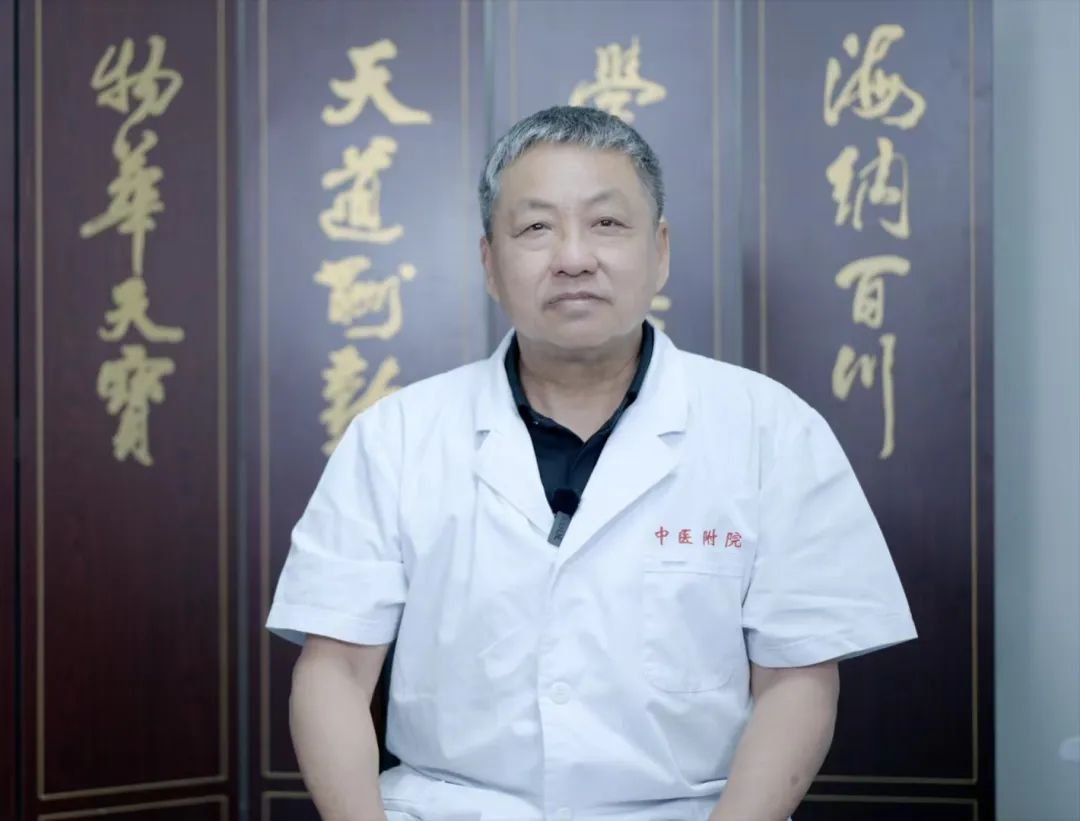
A physician and educator known for developing blood-turbidity theory. His work integrates traditional pattern differentiation with modern knowledge in chronic and complex illness.

A physician with more than eight decades of practice. He emphasized spleen and stomach regulation and helped advance Chinese medicine approaches to rheumatic and complex internal disorders.

A distinguished expert in herbal identification, processing, dispensing, and responsible use. His decades of work supported professional standards and the training of herbal practitioners.
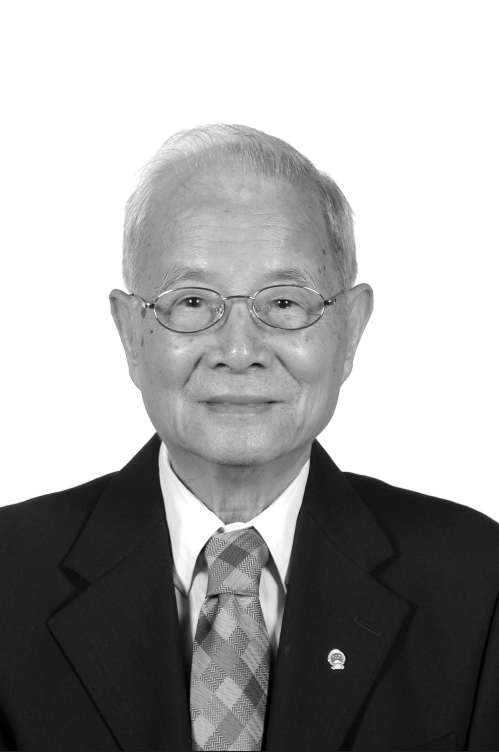
A celebrated physician and educator in internal medicine and Lingnan medicine. He contributed to cardiovascular care, spleen-stomach theory, diagnostic scholarship, and medical education.
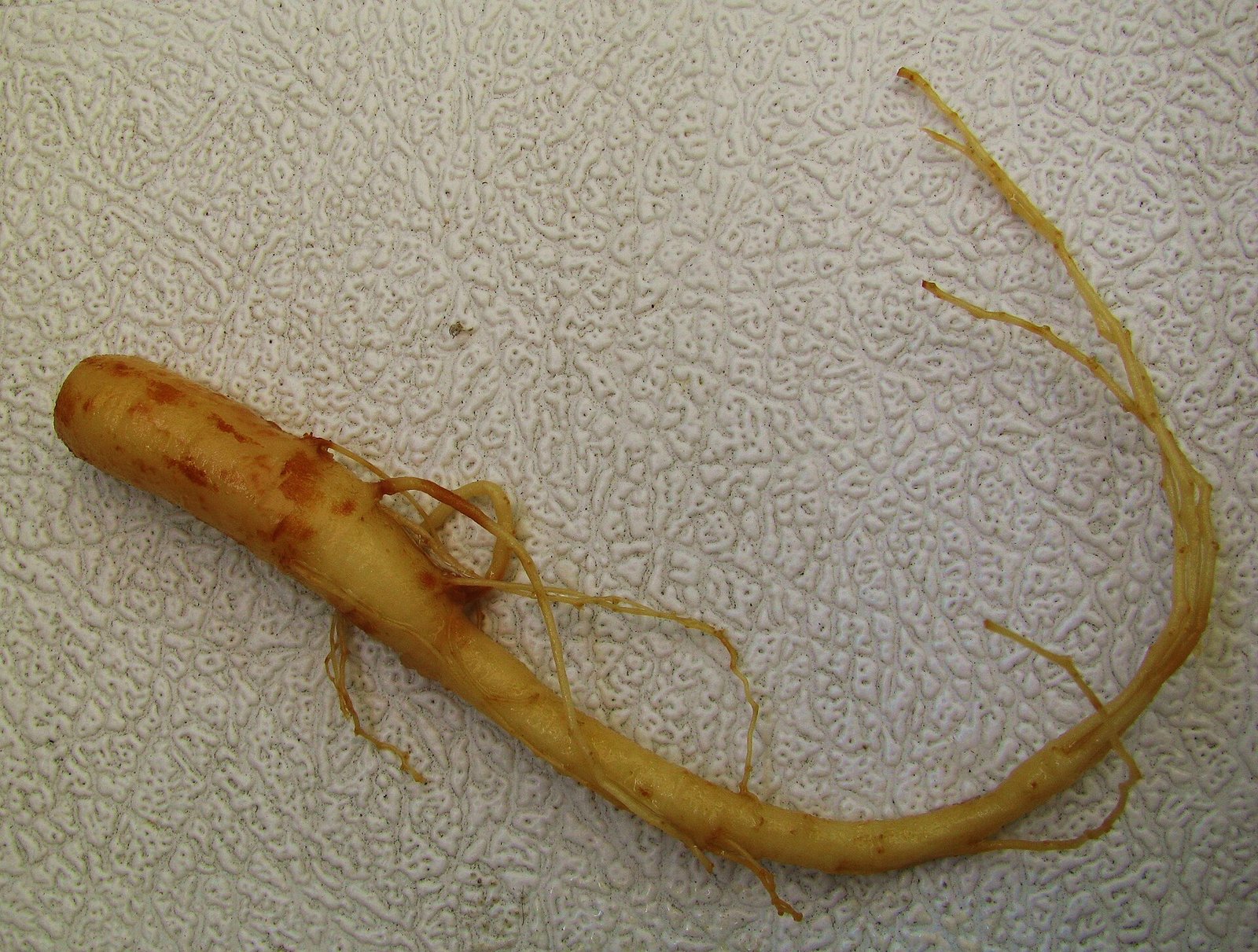
A classic East Asian root with a gently bitter finish and warm, woody character. Commonly presented whole, sliced, or powdered.
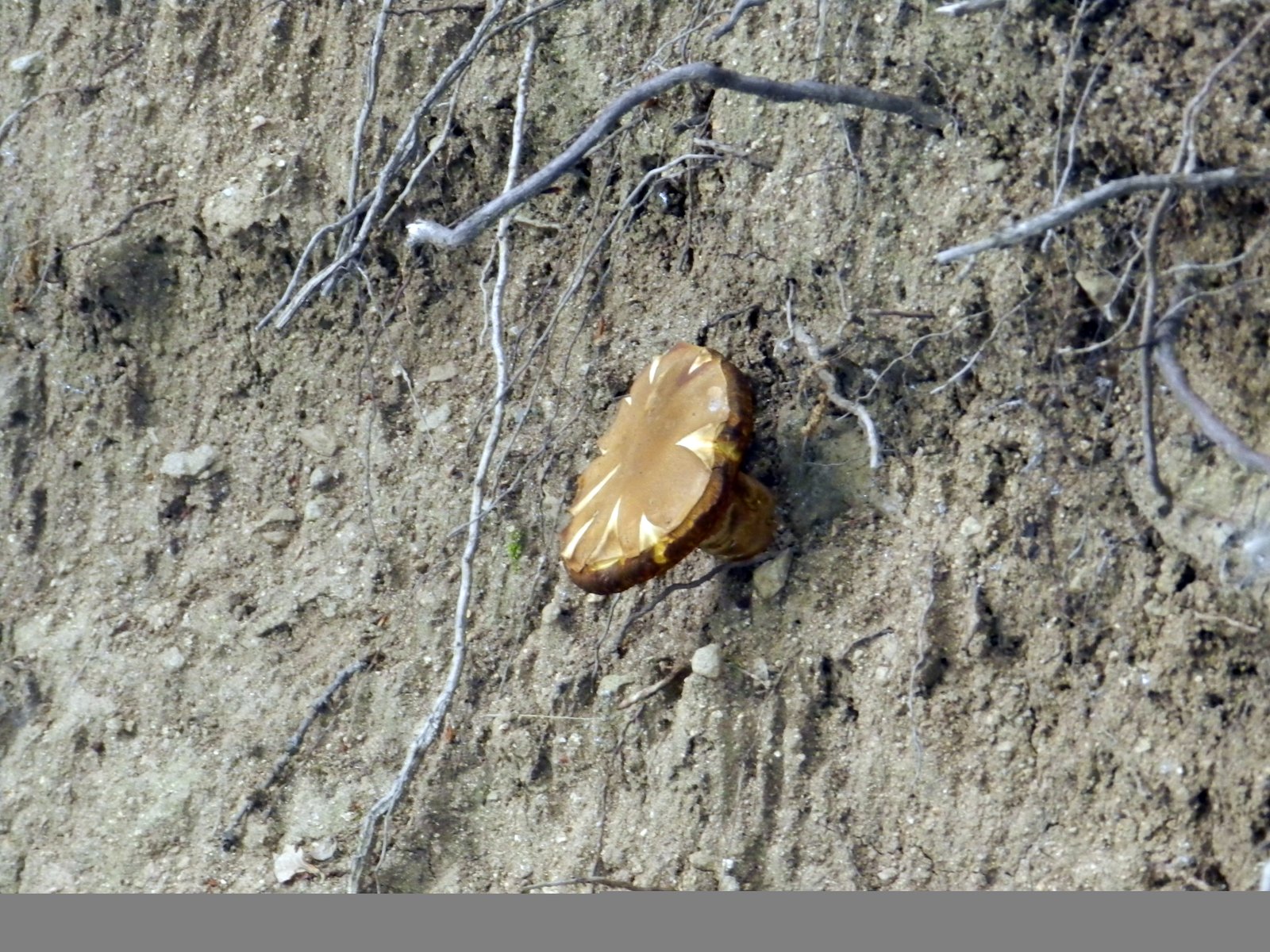
Recognized by its lacquer-like cap, deep color, and bold woody bitterness. Often prepared as slices, powder, or a standardized extract.
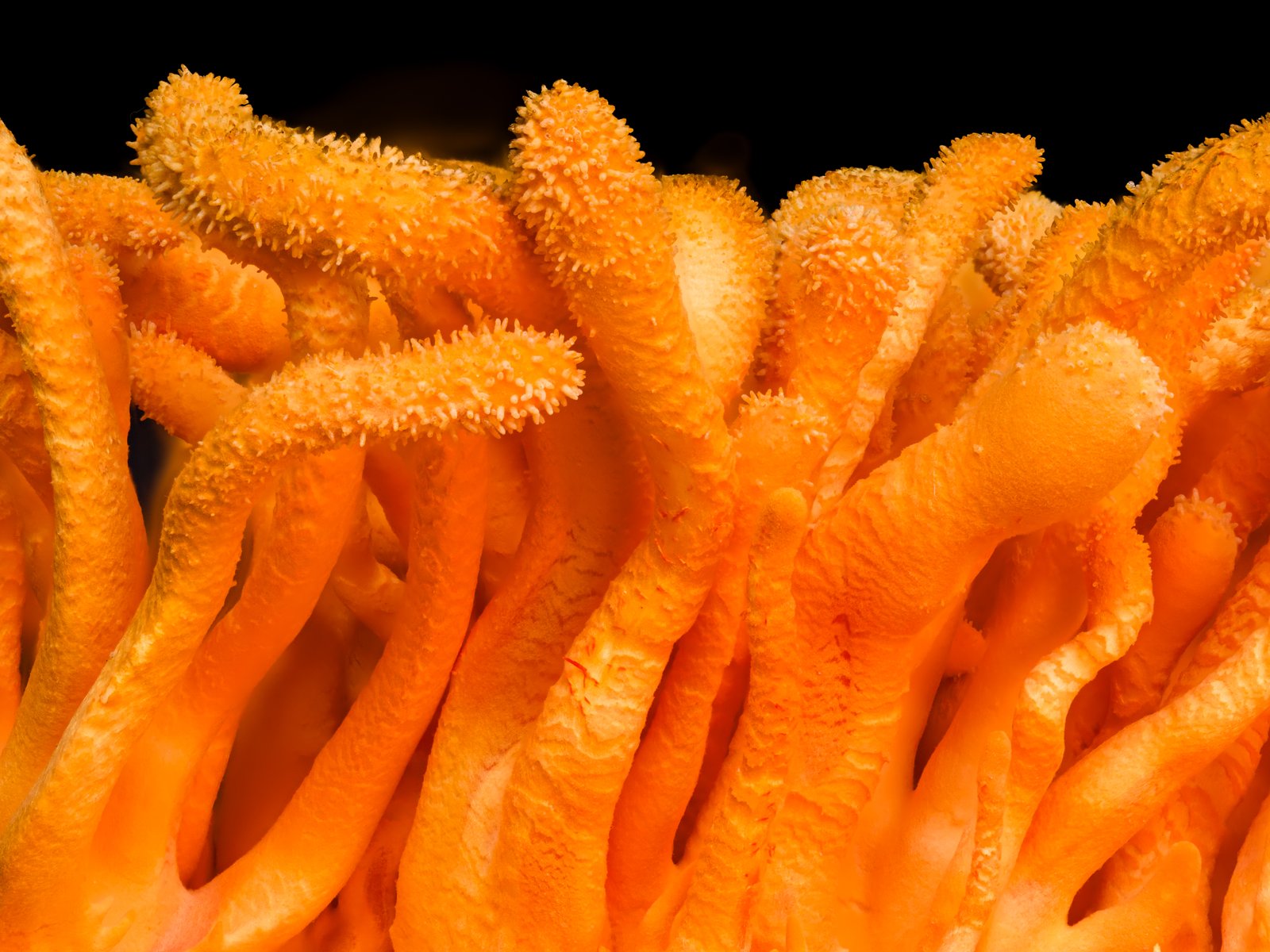
A cultivated mushroom ingredient with distinctive orange-gold fruiting bodies, used in teas, broths, and carefully formulated products.
Not the same species as Ophiocordyceps sinensis.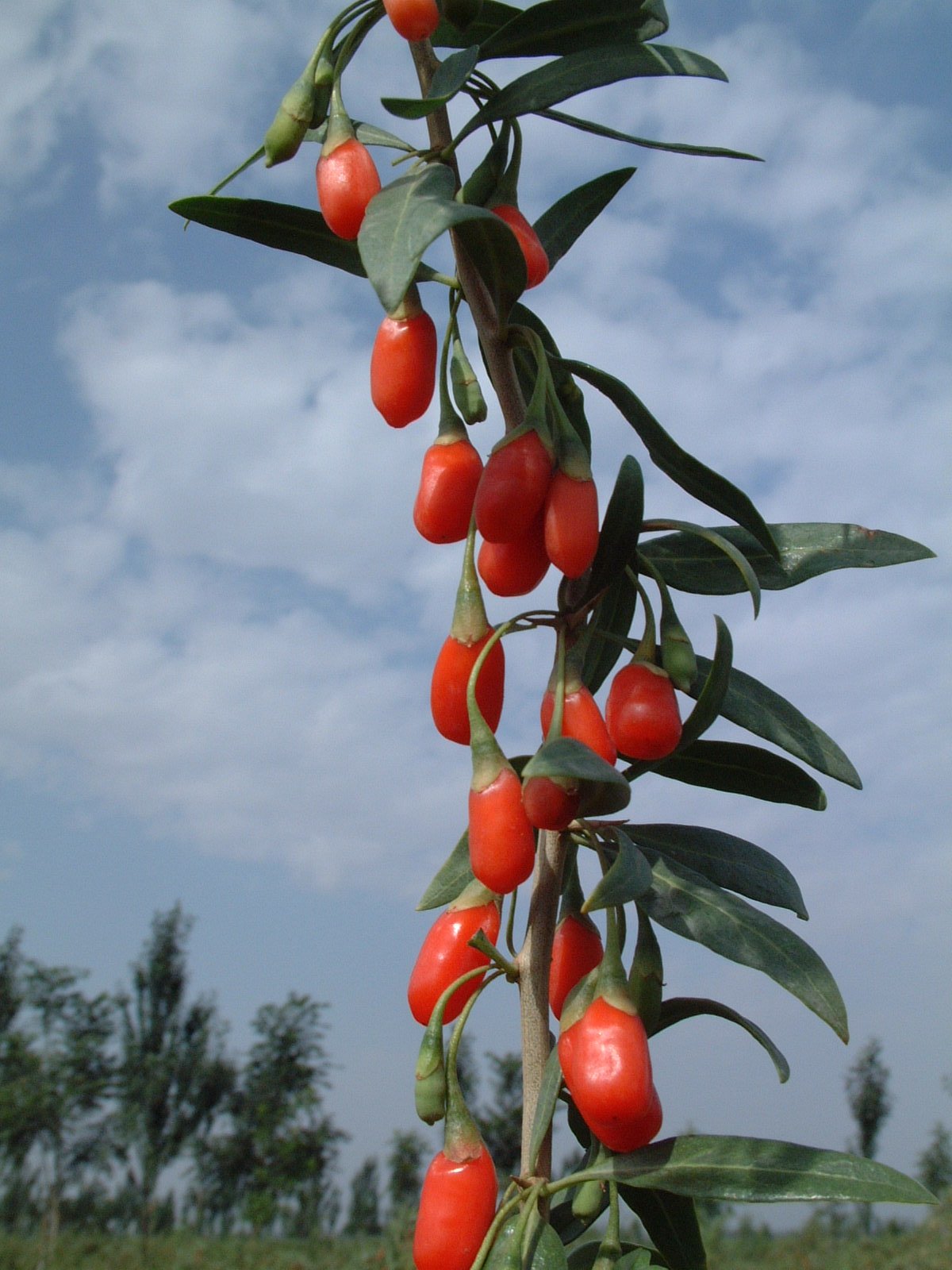
Bright red fruit with a soft sweetness and gentle tartness. Enjoyed with grains and nuts or incorporated into teas and soups.
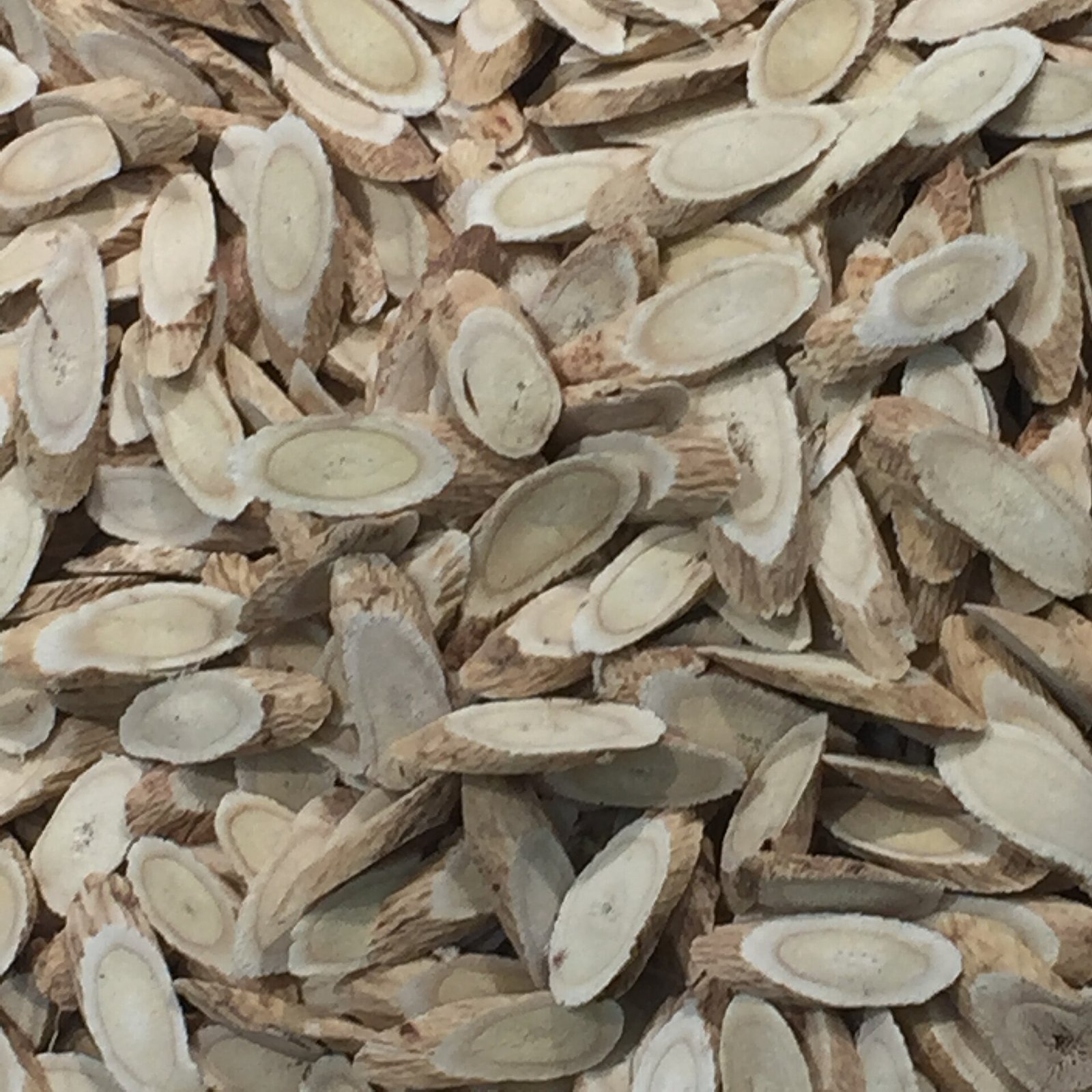
Pale golden root slices with natural grain, a mild sweetness, and an earthy, bean-like aroma often found in traditional broths and teas.
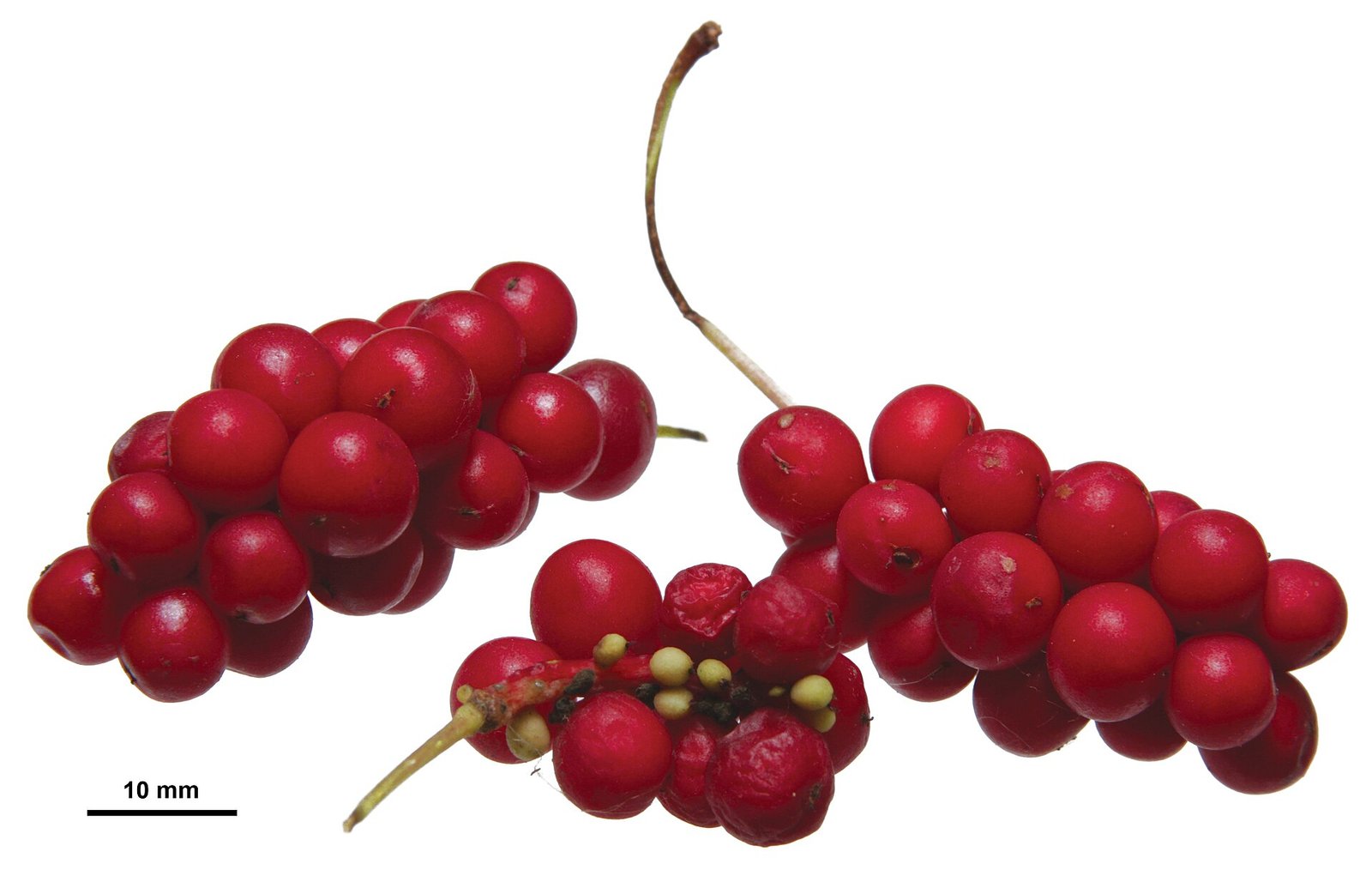
Small deep-red berries known for a layered flavor led by tartness, with subtle sweet, bitter, and aromatic notes.

Aromatic beige-to-light-brown root slices with a distinctive sweet and warming fragrance, presented without gender-specific health claims.

Fan-shaped leaves that symbolize nature, time, and continuity. Products should identify the exact preparation and standardized ingredient.
Raw leaves are not intended for self-harvesting or home brewing.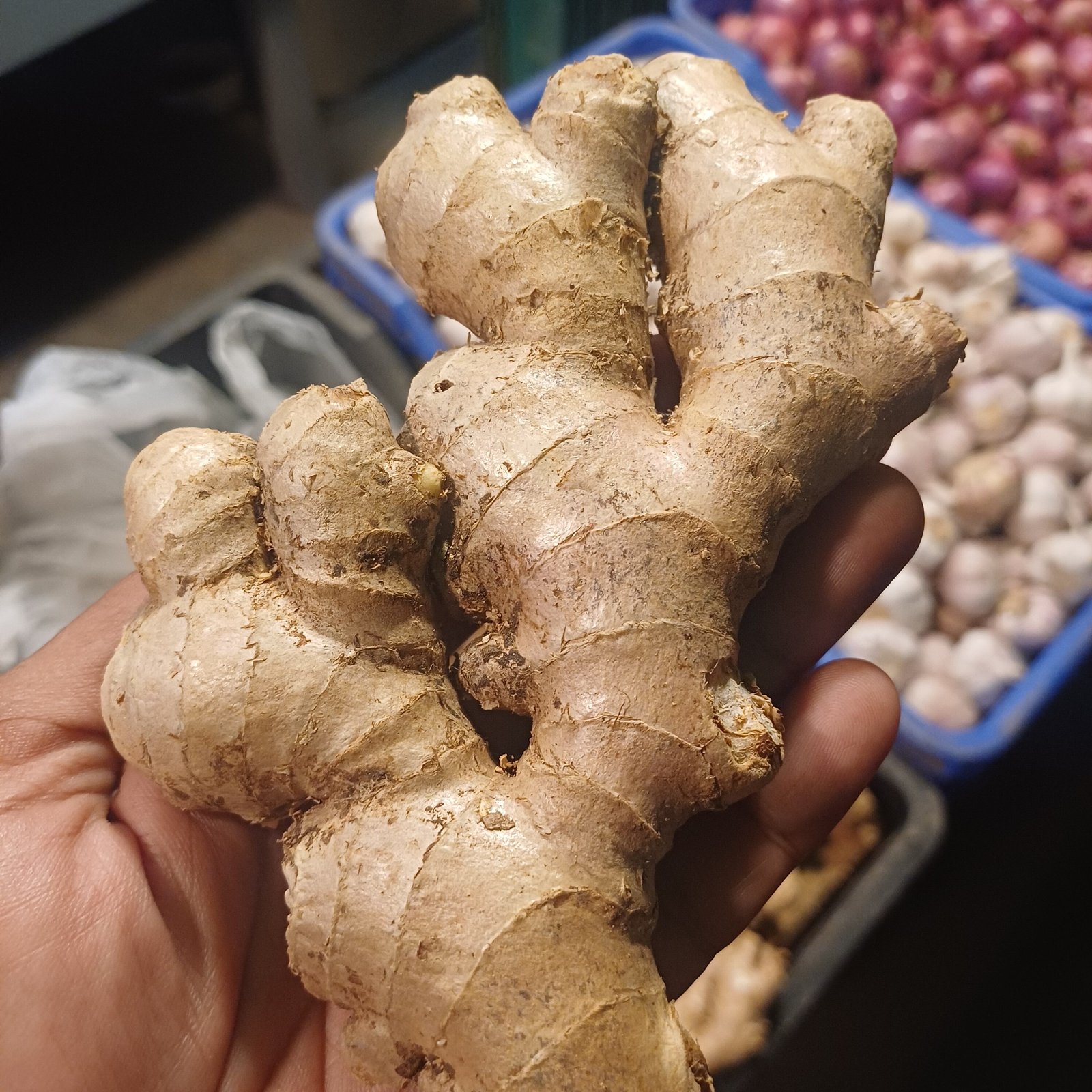
A lively rhizome with fresh citrus notes, gentle sweetness, and unmistakable warmth, used in drinks, cooking, and botanical blends.

A traditional root that must be clearly identified as raw or prepared, with processing, testing, and suggested-use information disclosed.
May carry a risk of liver injury. Seek qualified advice before use.A classic East Asian root with a gently bitter finish and warm, woody character. Commonly presented whole, sliced, or powdered.
Recognized by its lacquer-like cap, deep color, and bold woody bitterness. Often prepared as slices, powder, or a standardized extract.
A cultivated mushroom ingredient with distinctive orange-gold fruiting bodies, used in teas, broths, and carefully formulated products.
Not the same species as Ophiocordyceps sinensis.Bright red fruit with a soft sweetness and gentle tartness. Enjoyed with grains and nuts or incorporated into teas and soups.
Pale golden root slices with natural grain, a mild sweetness, and an earthy, bean-like aroma often found in traditional broths and teas.
Small deep-red berries known for a layered flavor led by tartness, with subtle sweet, bitter, and aromatic notes.
Aromatic beige-to-light-brown root slices with a distinctive sweet and warming fragrance, presented without gender-specific health claims.
Fan-shaped leaves that symbolize nature, time, and continuity. Products should identify the exact preparation and standardized ingredient.
Raw leaves are not intended for self-harvesting or home brewing.A lively rhizome with fresh citrus notes, gentle sweetness, and unmistakable warmth, used in drinks, cooking, and botanical blends.
A traditional root that must be clearly identified as raw or prepared, with processing, testing, and suggested-use information disclosed.
May carry a risk of liver injury. Seek qualified advice before use.